
What Temperature Should You Set Your Air Conditioner To?
Updated: Aug 18
It sounds like a simple question, but getting the temperature right can make a real difference to your comfort, energy bills, and how efficiently your system runs.
The key isn’t to go as cold as possible. It’s about finding a setting that keeps you comfortable while using energy wisely.
What Is the Ideal Air Conditioning Temperature in the UK?
For typical UK conditions, a good rule of thumb is:
Cooling mode (summer): 23°C to 25°C
Heating mode (winter): 20°C to 22°C
This range strikes the right balance between comfort and efficiency. It allows your system to maintain a steady temperature without constantly working at full capacity.
How Air Conditioner Temperature Affects Energy Consumption
This is where small adjustments make a big difference.
As a general guide, every 1°C lower in cooling mode can increase energy use by around 6-10%. That means setting your air conditioning to 20°C instead of 24°C could increase running costs significantly over time.
This happens because:
The system runs for longer periods
The compressor works harder
More external heat needs to be offset
By simply increasing your setting slightly, you can reduce energy use without losing much comfort.
How to Reduce Air Conditioning Running Costs
If you’re looking to keep bills under control, temperature setting is one of the easiest wins.
For example, setting your system to 24°C instead of 21°C can noticeably reduce electricity usage. Over a full summer, that difference adds up.
Lower settings lead to:
Continuous operation
Higher electricity demand
Increased wear and maintenance costs
Keeping your system within an efficient range helps avoid all of this.
Best Temperature Setting Based on Outdoor Weather
A smart way to run your air conditioning is to work with outside temperatures rather than against them.
Aim to keep your indoor temperature around 6-8°C lower than outside.
For example:
28°C outside → set to 23–24°C
30°C outside → set to 24–25°C
This approach reduces strain on your system and improves overall efficiency.
Tips to Improve Air Conditioning Efficiency at Home
Temperature is only part of the equation. How you use your system matters just as much.
Here are some practical ways to improve efficiency and reduce costs:
Set a consistent temperature rather than constantly adjusting it
Use timers or smart controls to avoid cooling empty spaces
Close doors and windows to keep cool air contained
Block out sunlight with blinds or curtains during peak heat
Keep filters clean to maintain airflow and efficiency
Small changes like these can reduce energy use by 10-20%.
Most Energy-Efficient Temperature for Sleeping, Living and Working
Different rooms benefit from slightly different settings:
Bedrooms: 22°C to 24°C
Living areas: 23°C to 25°C
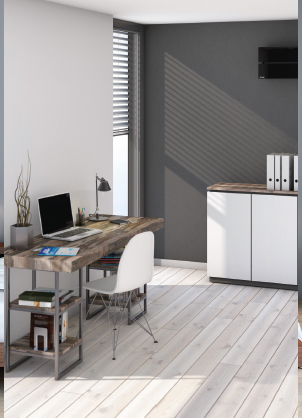
Home offices: 22°C to 24°C
If your system supports zoning, adjusting temperatures room by room can further reduce unnecessary energy use.


Is Air Conditioning Cheaper Than Heating in the UK?
Modern air conditioning systems are highly efficient in heating mode.
They can produce 3-4 units of heat for every 1 unit of electricity used, making them more efficient than many traditional electric or oil-based systems.
To keep costs down in winter:
Set temperatures to 20°C to 22°C
Avoid overheating rooms
Only heat spaces you’re using
This can lead to noticeable savings over the colder months.
Long-Term Energy Savings from Correct Temperature Settings
Getting your temperature right isn’t just about short-term savings.
Over time, it can lead to:
Lower electricity bills
Reduced maintenance and repair costs
Longer system lifespan
More consistent comfort
It’s one of the simplest ways to improve efficiency without upgrading your system.
Common Air Conditioning Temperature Mistakes to Avoid
A few common habits can drive up costs without you realising:
Setting the temperature too low in summer
Constantly adjusting the thermostat
Cooling unused rooms
Ignoring maintenance and filter cleaning
Avoiding these mistakes helps keep your system running efficiently.

Choosing the Best Air Conditioner Temperature
The best temperature setting is one that keeps your space comfortable without overworking the system.
Staying within an efficient range, combined with smart usage habits, can make a noticeable difference to both energy use and running costs.
If your system doesn’t seem to be performing as expected, it may be worth reviewing the setup. Often, small changes can deliver better results without major investment.
Does Your Air Conditioning System Need an Upgrade?
If your system is struggling to maintain temperature, costing more to run, or simply getting older, it may be time to consider an upgrade. Modern air conditioning units are far more energy efficient than older systems, using advanced inverter technology to deliver consistent comfort while reducing energy consumption and running costs. They’re also quieter, more reliable, and offer better control with smart features and zoning options.
Upgrading doesn’t have to be complicated. If you’re unsure whether your current system is still performing as it should, Cold Control can help. We offer free site surveys and no-obligation quotes, giving you clear, practical advice on the best solution for your space and budget.
FAQs About Air Conditioning Temperature Settings
What is the most energy-efficient temperature for air conditioning?
Around 24°C in cooling mode is typically the best balance between comfort and running cost.
Does setting a lower temperature cool the room faster?
No. It only increases how long the system runs, which raises energy use.
How much can I save by adjusting the temperature?
Raising your setting by just 1–2°C can reduce energy use by 10–20%, depending on conditions.
Is air conditioning expensive to run in the UK?
It depends on usage, but with efficient settings and modern systems, running costs can be kept relatively low.
Can air conditioning be cheaper than traditional heating?
Yes. In heating mode, many systems are more efficient than direct electric or oil heating.


